


10% off
Grab the code and apply at check out for 10% off
10OFF

Mixology is more than just pouring a spirit into a glass and adding a mixer; it is an art and a science that combines knowledge of ingredients, techniques, and a dash of creativity to create concoctions that delight the senses. The science behind mixology goes beyond the colour and taste of your cocktails - it delves into the chemistry of flavours, the physics of mixing, and the psychology of perception. Our Biggar Strength Gin was designed to be used primarily as a cocktail spirit. The increased levels of oils in the spirit are due to the elevated levels of botanicals used during the distillation phase of production.
The flavours in your cocktail are determined by the chemistry of the ingredients you use. For example, the sweet taste of sugar is due to its molecular structure, which fits perfectly with the receptors in our taste buds. On the other hand, alcohol, primarily ethanol, has a slightly bitter taste and can also enhance the flavours of other ingredients by binding to their molecules and carrying them to your nose and mouth.
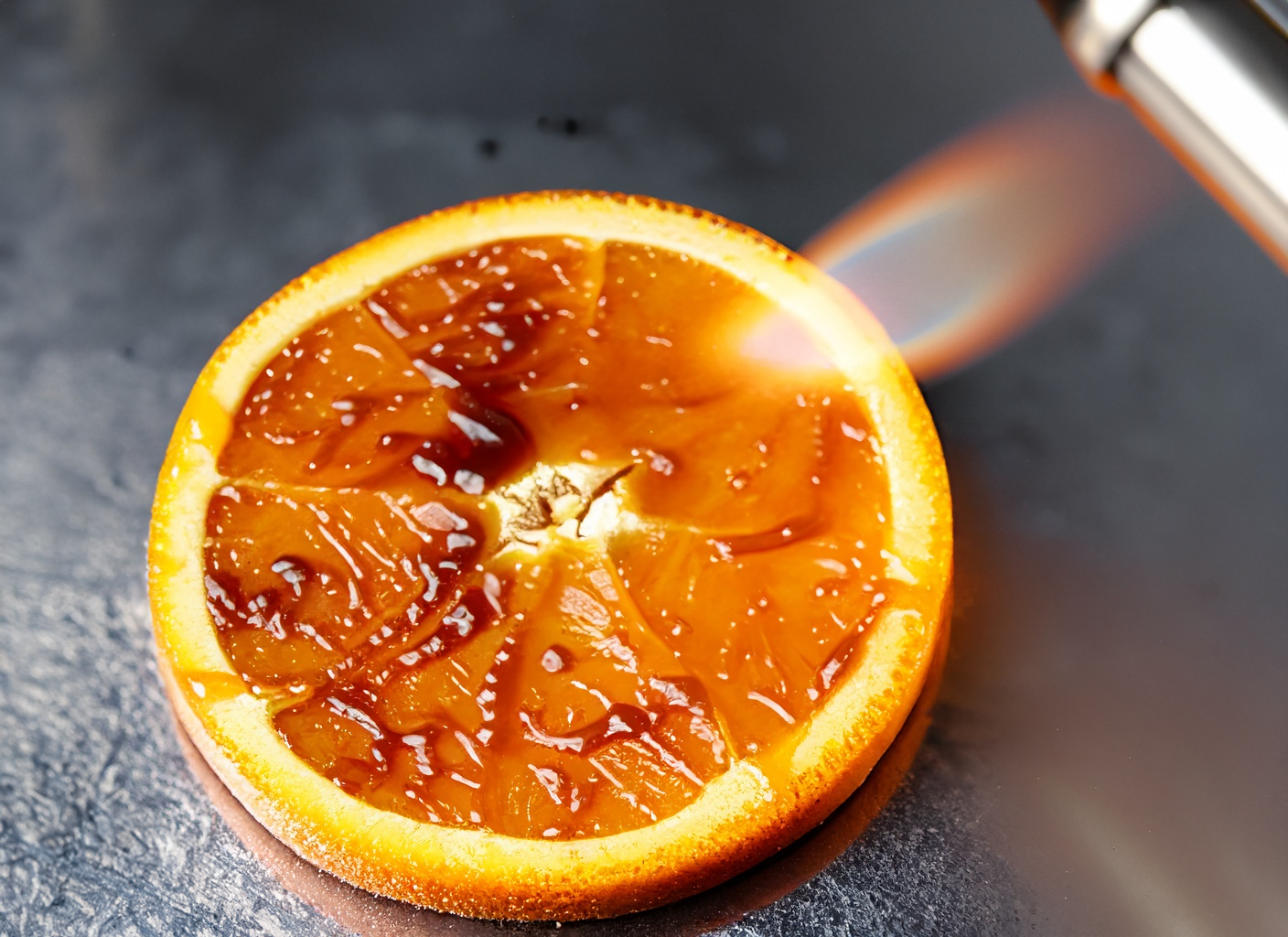
Moreover, specific reactions can alter flavours, like the Maillard reaction, responsible for the complex flavours in an Old Fashioned cocktail. Heating sugar with bitters results in the sugar's caramelisation, thereby changing its chemical structure and creating new flavour compounds.
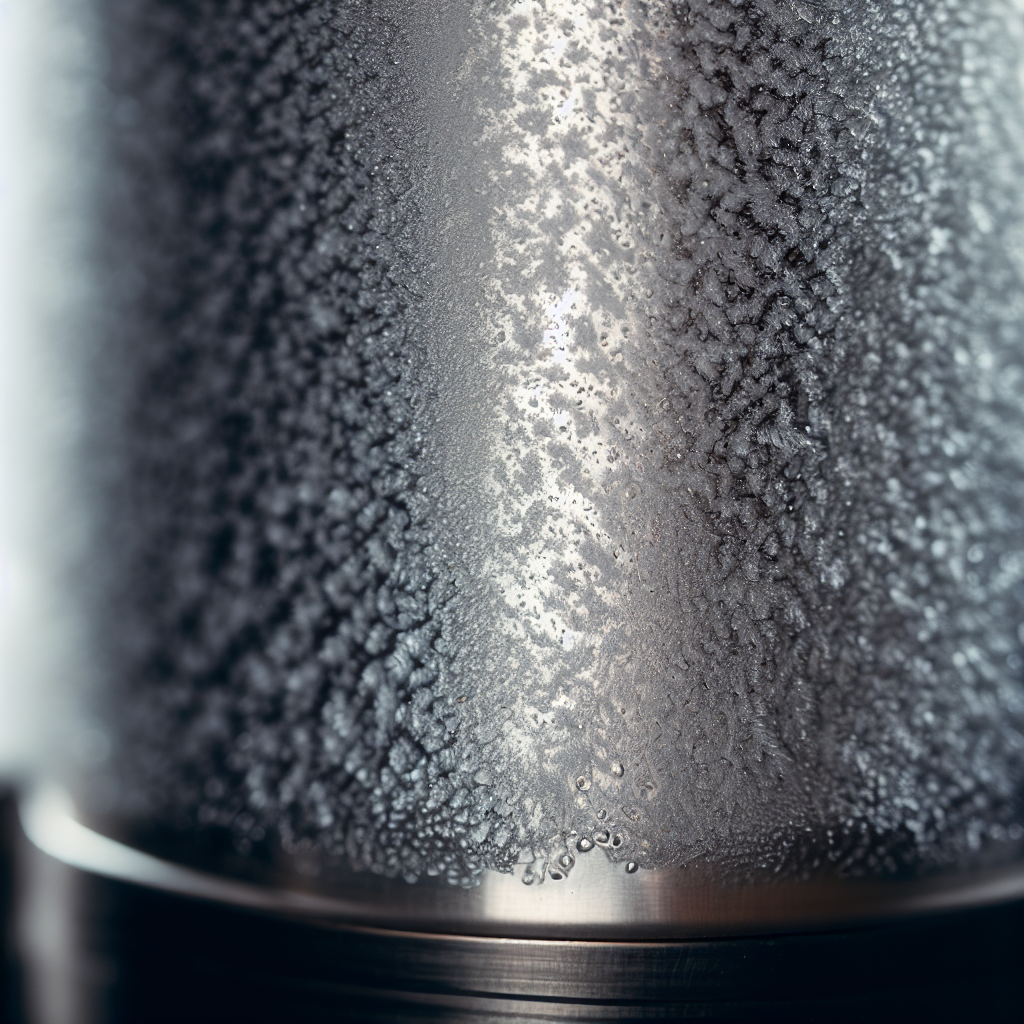
Shaking or stirring a cocktail isn't just about blending ingredients - it's about physics. Stirring is a delicate process that lightly mixes the elements, preserves the clear, transparent character of the cocktail, and is perfect for spirit-forward cocktails like the Martini. Shaking, conversely, introduces more air, creates tiny ice shards, and adds more water dilution, making the cocktail colder and often a bit cloudy. This method is preferable for cocktails with citrus juices, dairy, or egg whites, like a Gin Sour.
Cocktail creation is also a balancing act of temperature and dilution. Cooling a cocktail dulls the sweetness and bitterness, enabling us to enjoy drinks with high alcohol content. However, a cocktail that is too cold might suppress too many flavours. Likewise, while dilution from melted ice helps mellow the harshness of spirits, over-dilution can water down the flavours. Hence, controlling temperature and dilution is crucial in making a well-balanced cocktail.
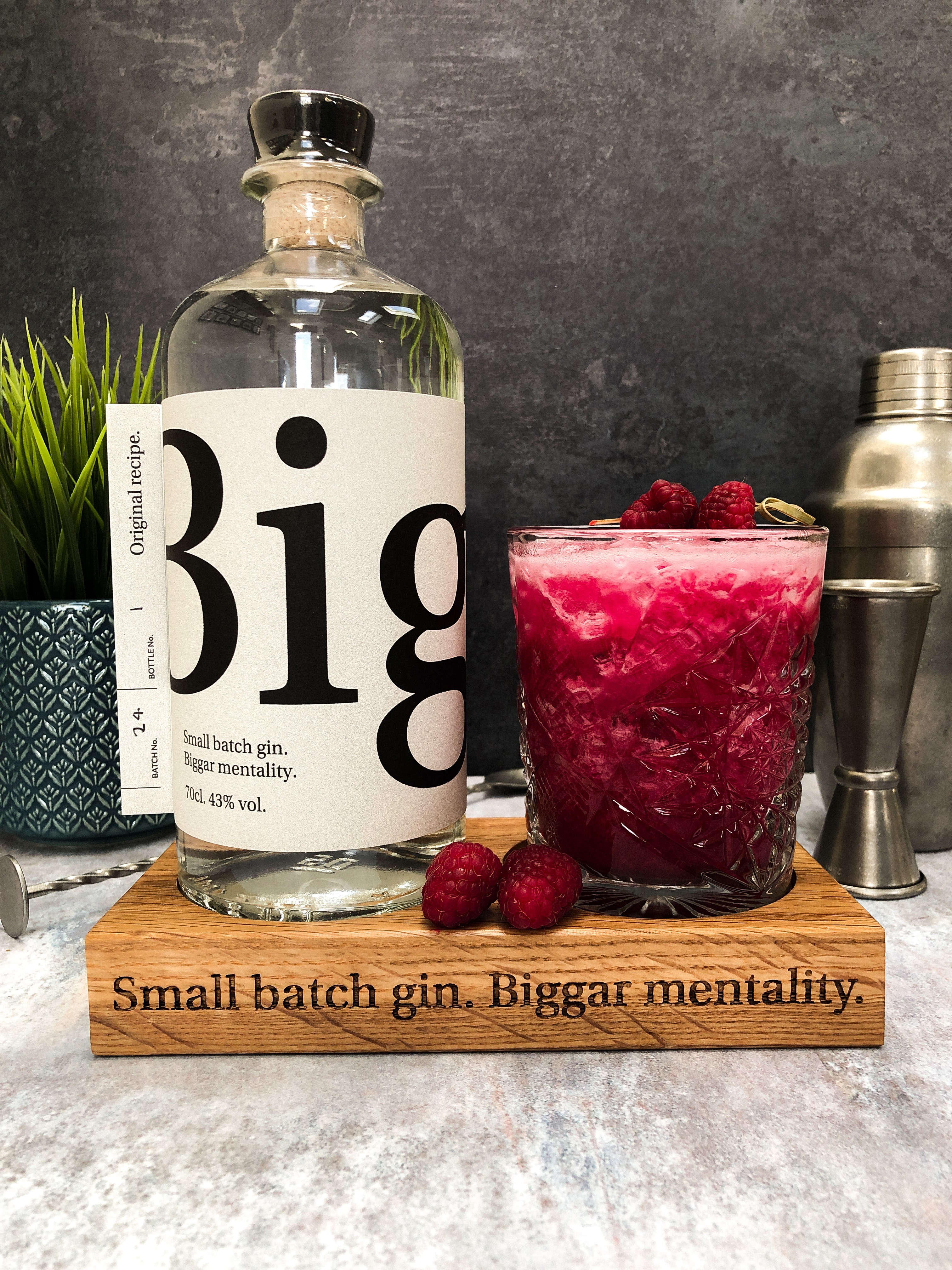
Finally, the science of mixology extends to the psychology of how we perceive our drinks. The colour of a cocktail can set expectations for its flavour before we even take the first sip. A bright, fruity cocktail might be expected to taste sweet, while a darker cocktail might be anticipated to have a strong, bitter flavour. The garnish not only adds a touch of elegance but can also enhance the perceived taste of the cocktail. Take our famous Biggar Tea Smash cocktail, a deep red frothy serve garnished with raspberries, which reflects a fruity and slightly sweet cocktail.
Mixology is a fascinating interplay of various scientific principles. The best mixologists understand these principles and use them to create cocktails that are delicious and engaging to all our senses. So, the next time you sip on a cocktail, take a moment to appreciate the science that went into creating your drink.
Sign up to receive sustainability updates, promotions and sneak peeks of upcoming products.